Forgetting Indian Culture: Are We Losing Our Roots? In this universe everything changes. One of the most important things that changes is time. Things that change with time are not good, but some of the things are not good for society. One thing to be said is that change is the nature of society, but some things grow when something is in a static position, such as the culture and tradition of the country.
But we are forgetting our culture and tradition. Also, we are living in a country where we have a rich culture, but as the time passes, we are forgetting our culture, and the anger is becoming the main part. Our Indian society is getting divided as the time passes, so we have started the initiative to make the people aware of our rich culture.
Briefly Define our Culture
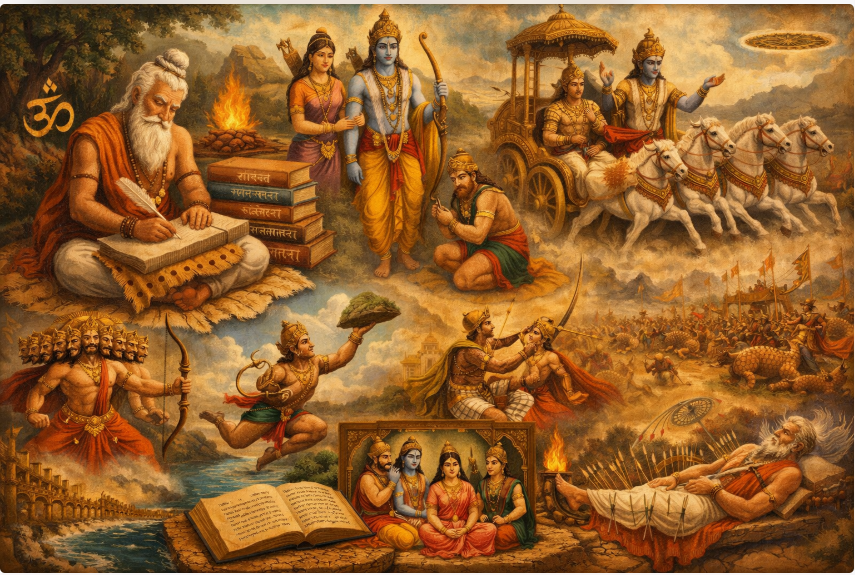
Our journey starts from the starting of the world. In today’s world everyone thinks that our society is uncivilized; even our people also say that we are uncivilized, but they don’t know that we come from a society where the real civilization started. where Lord Ram left his state for his brother and went into exile for the sake of his father without any question. So for this they have to read a lot about our culture, and after that they can ask a question.
Everyone think that the these are only mythology and somewhere they are right but they are not 100% right they have half knowledge they said on the basis that how they society is so civilized.
Indian Culture Its Layers and Meanings
Seeing India’s culture means seeing what built it. Old tales and beliefs formed much of how life took shape here. Today a lot think those writings are just myths. Even if symbols show up now and then, wisdom hides inside each tale. That wisdom guided choices, large and small, across generations.
A tale from long ago, the journey of Rama in the Ramayana shows what matters when life asks for hard choices. Leaving behind power and comfort, he stepped away from the throne because his father had given his word – so Rama walked into forest solitude for more than a decade. In that silence grow lessons: truth held firm, elders honored deeply, duties carried without pause.
What you find in these tales goes beyond temple talk. Century after century, they’ve carried quiet echoes of how people lived. Lessons slip through – not shouted but shown – in waiting without anger, speaking truth when silent would be easier, holding kindness close even then. Discipline weaves in like a thread no one points at. Compassion sits where decisions form. The old shapes stay visible under new skins.
Truth is, plenty misunderstand old customs now. Often that’s down to narrow views or just reading old words through a new lens. Skip the real layers behind rituals, one might quickly label them irrelevant.
Keeping Traditions Alive
What lives beyond ceremonies matters most. Society shapes who we are through shared beliefs, passed-down knowing. Lose that thread, and people drift without anchors. A fading culture means pieces of self go missing.
Keeping Indian culture alive isn’t about saying no to new things. Yet, it’s more like walking two paths at once – old ways beside fresh changes. With care, we use phones and internet yet speak our mother tongues at home. While times shift, the values handed down stay close.
Kids learn who they are when grown-ups share old ways. From home to school to neighbors, each person adds something. Stories told at bedtime plant roots just like songs sung together. Hearing a grandparent speak another tongue opens quiet doors. Festivals full of noise and color stick in memory longer than rules. What feels ordinary today becomes heritage tomorrow. Every meal passed down holds meaning without needing words.
Conclusion
When we take time to learn where things come from, Indian traditions stay alive in how people live tomorrow. Holding on to old ways does not mean stopping change – instead it means using what worked before while shaping something new ahead.
Leave a Reply